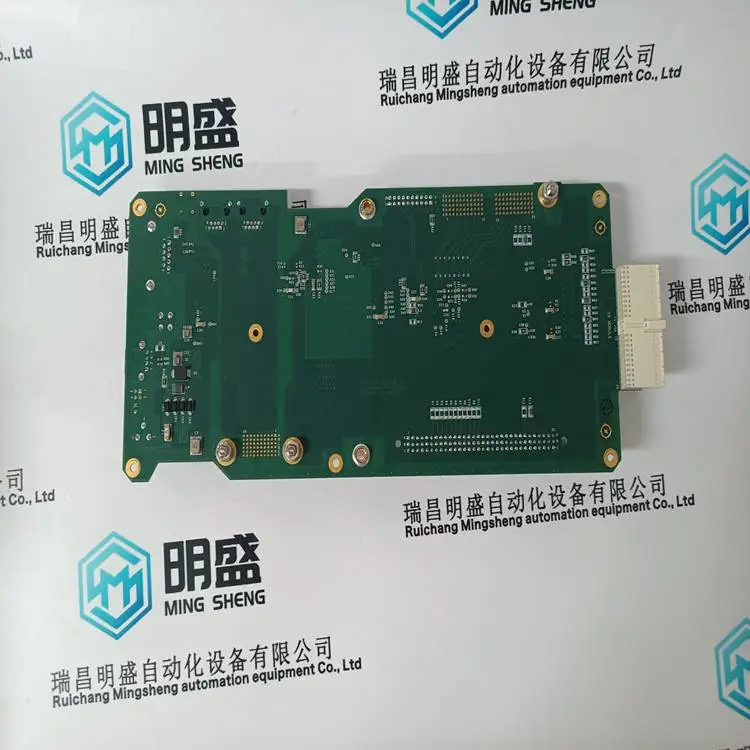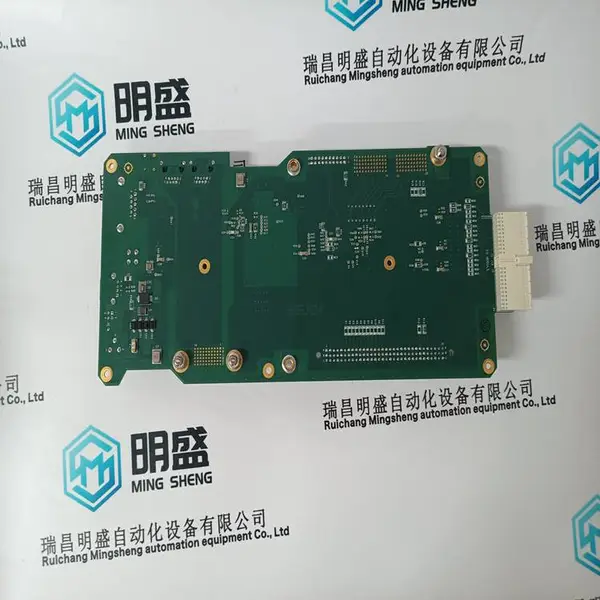

 ABB 原厂 SAMT 11 脉冲放大器卡 57211369
¥3137.00
ABB 原厂 SAMT 11 脉冲放大器卡 57211369
¥3137.00

- 商品
- 详情
60WKS-CE240/6PB 60WKS-CE240 伺服电动机 Kollmorgen
- ¥3278.00 1 - 9个
- ¥3137.00 ≥10个
参数
- 工控产品产品特性
- 否是否进口
- 美国产地
江西 瑞昌市
1天内发货
5173个
ABB 原厂 SAMT 11 脉冲放大器卡 57211369
¥3137.00
产品详情
60WKS-CE240/6PB 60WKS-CE240 伺服电动机 Kollmorgen
60WKS-CE240/6PB 60WKS-CE240 伺服电动机 Kollmorgen
2.5控制策略
没有对以下方面的全面了解,就无法设计HVAC系统:
如何控制。湿度测量在控制系统中很有用
设计,因为描述HVAC循环的湿度图
并为设备选择提供数据,还指示控制点
以及预期的条件。第8章讨论了控制措施。
2.6建筑、结构、,
以及电气方面的考虑
建筑物的建筑设计为这些提供了基础
与建筑围护结构和地板相关的热负荷和冷负荷
地区。特别是玻璃的方向、数量和类型-
与任何遮光材料一起,对于正确计算太阳能负荷和采光效果至关重要。
结构和建筑因素定义了暖通空调设备以及管道可用的空间和重量承载能力
管道系统。
必须小心遵守暖通空调设备的电气要求
并完全与电气设计师沟通。电气服务的特性(电压、频率等)影响
暖通空调规范和设计。
详细和仔细的沟通和协调
需要设计团队成员。这种说法更为重要
而不是对显而易见的事情的默认。它强调了设计过程中的必要性。
暖通空调工程基础:第2部分
下载自数字工程图书馆@McGraw-Hill()
版权所有©2004麦格劳-希尔公司。版权所有。
任何使用均受网站上给出的使用条款的约束。
暖通空调工程基础:第2部分19
2.7概念设计
***章的问题解决过程应是建立任何暖通空调设计概念的前奏。在大多数情况下,正式研究不是
但一般流程是非正式的。然后是决赛
客户和架构师的愿望严重影响了决策
以及暖通空调设计工程师的经验和实力。它
在这种情况下,很容易做事情
这样做是为了避免创新。这种方法的成本也较低
设计师,避免与
客户,他们更关注成本而不是创新。
然而,称职的设计师必须熟悉所有类型的
系统和控制策略,以防客户需要新的和不同的建议。这一背景只有通过经验和研究才能形成。学习就是学习
其他人的经验。这本书和ot
60WKS-CE240/6PB 60WKS-CE240 伺服电动机 Kollmorgen
60WKS-CE240/6PB 60WKS-CE240 伺服电动机
2.5 Control Strategies
No HVAC system can be designed without a thorough knowledge of
how it is to be controlled. Psychrometrics is helpful in control system
design, since the psychrometric chart which describes the HVAC cycles
and provides data for equipment selection also indicates control points
and conditions to be expected. Controls are discussed in Chap. 8.
2.6 Architectural, Structural,
and Electrical Considerations
The architectural design of the building provides the basis for those
heating and cooling loads relating to the building envelope and to floor
areas. In particular, the orientation, amount, and type of glass—
together with any shading materials—are critical to the proper calculation of solar loads and daylighting effects.
Structural and architectural factors define the space and weight carrying capacity available for HVAC equipment as well as piping and
ductwork.
Electrical requirements for the HVAC equipment must be carefully
and completely communicated to the electrical designer. The characteristics of the electrical service (voltage, frequency, etc.) affect the
HVAC specifications and design.
Detailed and careful communication and coordination among the
members of the design team are required. That statement is more
than a tacit acknowledgment of the obvious. It underscores an absolute necessity in the design process.
HVAC Engineering Fundamentals: Part 2
Downloaded from Digital Engineering Library @ McGraw-Hill ()
Copyright © 2004 The McGraw-Hill Companies. All rights reserved.
Any use is subject to the Terms of Use as given at the website.
HVAC Engineering Fundamentals: Part 2 19
2.7 Conceptual Design
The problem-solving process of Chap. 1 should be a prelude to establishing any HVAC design concept. In most cases, a formal study is not
made, but the general process is followed informally. Then the final
decision is heavily biased by the desires of the client and architect as
well as the experience and strengths of the HVAC design engineer. It
is easy, under these conditions, to do things as they have always been
done and to avoid innovation. This approach is also less expensive for
the designer and avoids discussion and possible argument with the
client, who is more often concerned with cost than with innovation.
Still, the competent designer must be conversant with all types of
systems and control strategies, in the event that the client wants suggestions for something new and different. This background is only developed through experience and study. Study is simply learning from
the experience of others. This book and ot
Kollmorgen
为您推荐
-
064829-003 2-064828-002 操作界面电路板 ABB ¥3137.00
-
-
MDR12-12-001-AA 模拟量控制模块用于控制 BAUTZ ¥3137.00
-
SUTRON BT05AM/722030-01模块备件现货 ¥3137.00
-
-
SUETRON BT05AM/702030-01模块备件 现货库存 ¥3137.00
 在线问
在线问
产品参数
- 工控产品
- 否
- 美国
- 否
- ABB
- TP854 3BSE025349R1
- 220V
- 60KHZ
- PLC模块
- DCS模块
- PLC模块DCS模块